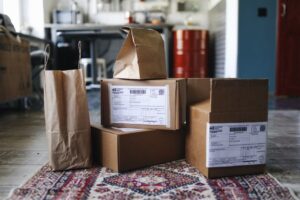
Eco-Friendly Packaging Solutions for Your Business


Eco-Friendly Packaging Solutions for Your Business: A Comprehensive Guide to Sustainable Choices
The Business Case for Sustainable Packaging
Consumer awareness of environmental issues has reached an inflection point. A 2026 McKinsey survey found that 60% of global consumers are willing to pay more for products with sustainable packaging. Simultaneously, regulatory bodies worldwide are tightening standards. The EU’s Packaging and Packaging Waste Regulation (PPWR) and similar legislation in California, Canada, and India are mandating reduced plastic usage and higher recyclability. For businesses, adopting eco-friendly packaging is no longer a niche marketing tactic but a strategic imperative to mitigate regulatory risk, reduce long-term material costs, and build brand loyalty among environmentally conscious demographics.
Defining “Eco-Friendly”: Key Material Categories
Not all sustainable packaging is created equal. Understanding the material science behind each option is critical for matching your product’s specific needs with environmental performance.
1. Recycled Content (Post-Consumer Recycled / PCR)
PCR materials—typically paper, cardboard, or plastic—are reprocessed from consumer waste. Using PCR reduces the demand for virgin resources and diverts waste from landfills. Corrugated cardboard with 50-100% PCR is widely available and ideal for shipping boxes. PCR plastic (rPET, rHDPE) is suitable for bottles and clamshells but may have slight color or clarity variations. Crucial consideration: Ensure your PCR packaging itself is still recyclable. Some composite materials (e.g., paper-plastic blends) are difficult to recycle and may be considered “downcycled.”
2. Bioplastics (PLA, PHA, and Starch-Based)
Bioplastics are derived from renewable biomass sources such as corn starch, sugarcane, or algae. PLA (Polylactic Acid) is the most common, suitable for clear containers and films. However, PLA requires industrial composting facilities (temperatures above 140°F) to break down. It does not biodegrade in a landfill or home compost bin effectively. PHA (Polyhydroxyalkanoates) is a newer, more advanced bioplastic that biodegrades in marine and soil environments, though its cost remains two to three times higher than conventional plastic. Best for: short-lifecycle food packaging or single-use items in regions with robust industrial composting infrastructure.
3. Mushroom Mycelium Packaging
Developed by companies like Ecovative, this material uses agricultural waste (hemp hurds, corn stalks) bound together by mushroom root structures (mycelium). The resulting composite is lightweight, compostable at home, and provides excellent cushioning. It is fire-resistant and hydrophobic when treated. Best for: protective packaging for electronics, wine bottles, or fragile goods. Limitations include a higher per-unit cost (15-30% more than EPS foam) and a limited color palette (natural beige to dark brown).
4. Seaweed and Algae-Based Films
Innovative startups (e.g., Notpla, Loliware) are creating edible or dissolvable films and sachets from seaweed. These materials decompose in weeks, even in marine environments, without microplastic residue. They are ideal for single-dose condiments, detergent pods, or dry goods like coffee. Critical limitation: moisture sensitivity; they require high-barrier coatings for long-term shelf life, which may compromise compostability.
5. Molded Pulp and Paper Foam
Molded pulp (often from recycled newsprint or cardboard) is used for egg cartons, protective trays, and electronics inserts. It is 100% recyclable and biodegradable. Modern “paper foam” can be engineered to match the shock absorption of expanded polystyrene (Styrofoam) through specific fiber orientation and molding pressure. Best for: heavy, irregularly shaped items that require rigid protection.
Implementation Strategies for Different Business Models
E-Commerce and Direct-to-Consumer (DTC)
Focus on reducing void fill. Use right-sized boxes (e.g., automated packing systems like Packsize) to eliminate the need for internal cushioning. Replace bubble wrap with corrugated honeycomb pads or kraft paper void fill. Transition from poly bags to compostable mailers made from cornstarch (brands like Noissue or EcoEnclose). Ensure tape is paper-based (cellulose or water-activated) to keep the entire package compostable.
Food and Beverage
Compostability is paramount. Switch to bagasse (sugarcane fiber) clamshells for hot food takeout, which are heat-resistant and microwaveable. For cold beverages, aluminum cans boast the highest recycling rates (over 70% in the US). For sauces and dressings, explore Edible coatings (e.g., Apeel Sciences’ plant-based layer) that preserve produce, eliminating the need for plastic wrap or clamshells.
Luxury and Retail
Sustainability can coexist with premium aesthetics. Use FSC-certified rigid paperboard with foil-free, soy-based inks. Incorporate seed-embedded tags (plantable packaging) or reusable fabric wraps (e.g., organic cotton furoshiki wraps). High-end brands like Aesop use black PCR glass bottles with simple, recyclable paper labels, reinforcing a minimalist, eco-conscious identity.
Technical and Medical Devices
Sterile requirements limit material choices. Thermoformed rPET (recycled PET) is a viable substitute for virgin plastic blisters. For sterile barriers, biodegradable nonwovens made from wood pulp or PLA are emerging, though they must pass rigorous sterilization validation. Partner with suppliers offering closed-loop recovery programs where used packaging is returned for recycling.
Labeling and Certifications: Avoiding Greenwashing
Claims must be verifiable. Use these certifications to back your claims:
- FSC (Forest Stewardship Council): Ensures paper products from responsibly managed forests.
- Cradle to Cradle Certified: Evaluates material health, recyclability, renewable energy use, and water stewardship.
- ASTM D6400 / D6868: Certifies plastics compostable in industrial facilities (look for the “OK Compost INDUSTRIAL” logo by TÜV Austria).
- How2Recycle Label: A clear, standardized label that tells consumers exactly how to recycle each component (e.g., “Store Drop-Off” for plastic bags).
Avoid vague terms like “biodegradable” or “eco-friendly” without third-party certification. In highly regulated markets (e.g., EU Green Claims Directive compliance required by 2026), false claims can result in fines up to 4% of annual turnover.
Cost Analysis and ROI of Switching
The initial cost of sustainable packaging can be 10-40% higher than conventional materials. However, the ROI is significant:
- Weight reduction: Switching from glass to PCR plastic or lightweight pulp can reduce shipping costs by 15-25%.
- Brand loyalty: 37% of consumers actively seek out brands that use sustainable packaging (IBM/NRF 2026).
- Waste disposal savings: Businesses in cities with pay-as-you-throw waste programs reduce costs by using recyclable or compostable packaging.
- Tax incentives: Several countries offer tax credits for using recycled content (e.g., the US Recycling Infrastructure and Accessibility Act).
Conduct a total cost of ownership (TCO) analysis factoring in logistics, waste haulage, and customer retention to build a business case.
Supply Chain Logistics and Supplier Vetting
Sustainable packaging is only effective if the supply chain is transparent. Vet suppliers by asking:
- What is the percentage of post-consumer vs. post-industrial recycled content?
- Are their bioplastics sourced from non-GMO crops?
- Do they provide a life cycle assessment (LCA) for their materials?
- Can they guarantee consistent lead times for new materials (e.g., fungal mycelium can have batch variability)?
Consider local sourcing to reduce carbon footprint. A cardboard box from a mill 100 miles away has a significantly lower embodied carbon than one shipped from Asia, even if it is made from recycled content.
Consumer Education and End-of-Life Guidelines
Even the best packaging fails if consumers dispose of it incorrectly. Include clear, visual instructions on the packaging itself. For compostable items, state: “Industrial Compost Only – Check Local Facilities.” For technical materials (e.g., bioplastics that look like plastic), add a QR code linking to a localized recycling or composting directory. Brands like Loop (TerraCycle) offer reusable packaging programs where consumers return containers for cleaning and refill, closing the loop entirely.
Emerging Innovations to Watch
- Dissolvable packaging films based on polyvinyl alcohol (PVA) for dishwasher detergent tablets – fully water-soluble and non-toxic.
- Carbon-negative materials like carbon-sequestering cement-based paper or algae-based polymers that absorb CO2 during production.
- Smart packaging with QR codes that provide dynamic disposal instructions based on the user’s location and local waste infrastructure.
- Tyvek-like textiles made from 100% recycled HDPE for durable shipping envelopes – stronger than paper, fully recyclable through store drop-off programs.
Avoiding Common Pitfalls
- Contamination: Do not combine recyclable plastic with compostable labels, as they contaminate the recycling stream.
- Moisture barriers: Many compostable materials (paper, pulp) require a thin plastic or wax lining for wet products. Ensure this lining is removable or itself compostable (e.g., PLA-based laminates).
- Shelf life: Bioplastics and recycled paper can have shorter shelf lives—test thoroughly for your product’s specific storage conditions.
- Supplier reliability: The market for bioplastics and mycelium is nascent. Maintain buffer inventory and have a secondary conventional supplier as a fallback.
Measuring Impact: Key Metrics
Track quantitative improvements to validate your transition:
- Carbon footprint per unit: Use tools like the Sustainable Packaging Coalition’s COMPASS software.
- Recyclability rate: Percentage of packaging materials accepted in curbside streams.
- Material intensity: Weight of packaging per product unit; aim for reduction year-over-year.
- Customer feedback surveys: Measure satisfaction and willingness to repurchase based on packaging.
Regularly audit your supply chain for greenwashing—reputable third-party audits (e.g., Green Seal) can provide independent verification.
Regulatory Landscape Ahead
Stay informed on emerging regulations:
- EU PPWR (2024-2030): Bans plastic packaging for fruits/vegetables and single-use hotel toiletries; mandates all packaging be recyclable or reusable by 2030.
- California SB 54 (2026): Requires all single-use packaging to be recyclable or compostable by 2032, with a 65% reduction in plastic waste.
- Canada’s Single-use Plastics Prohibition Regulations: Bans checkout bags, straws, cutlery, and ring carriers.
- Extended Producer Responsibility (EPR): EPR laws (e.g., in France, UK, South Korea) require producers to pay for the collection and recycling of their packaging materials. Choosing low-volume, lightweight, easily recyclable materials reduces your fee contributions.
Tactical Next Steps
- Audit current packaging: Catalog every material, supplier, and end-of-life pathway.
- Define priorities: Is your goal carbon reduction, ocean plastic elimination, or zero waste? Different materials serve different goals.
- Start with a pilot: Test one product line with new packaging. Monitor breakage rates, customer feedback, and supply chain reliability for 90 days.
- Educate your team: Train procurement, marketing, and logistics staff on material properties, certification requirements, and proper disposal communication.
- Plan for scalability: Design packaging that can be adapted across product lines to negotiate bulk pricing with sustainable material suppliers.
- Communicate transparently: Publish a packaging sustainability statement on your website. Share challenges (e.g., “we’re still working on a compostable barrier for our wet goods”) to build trust.