Top 10 Best Emulators for PC in 2026

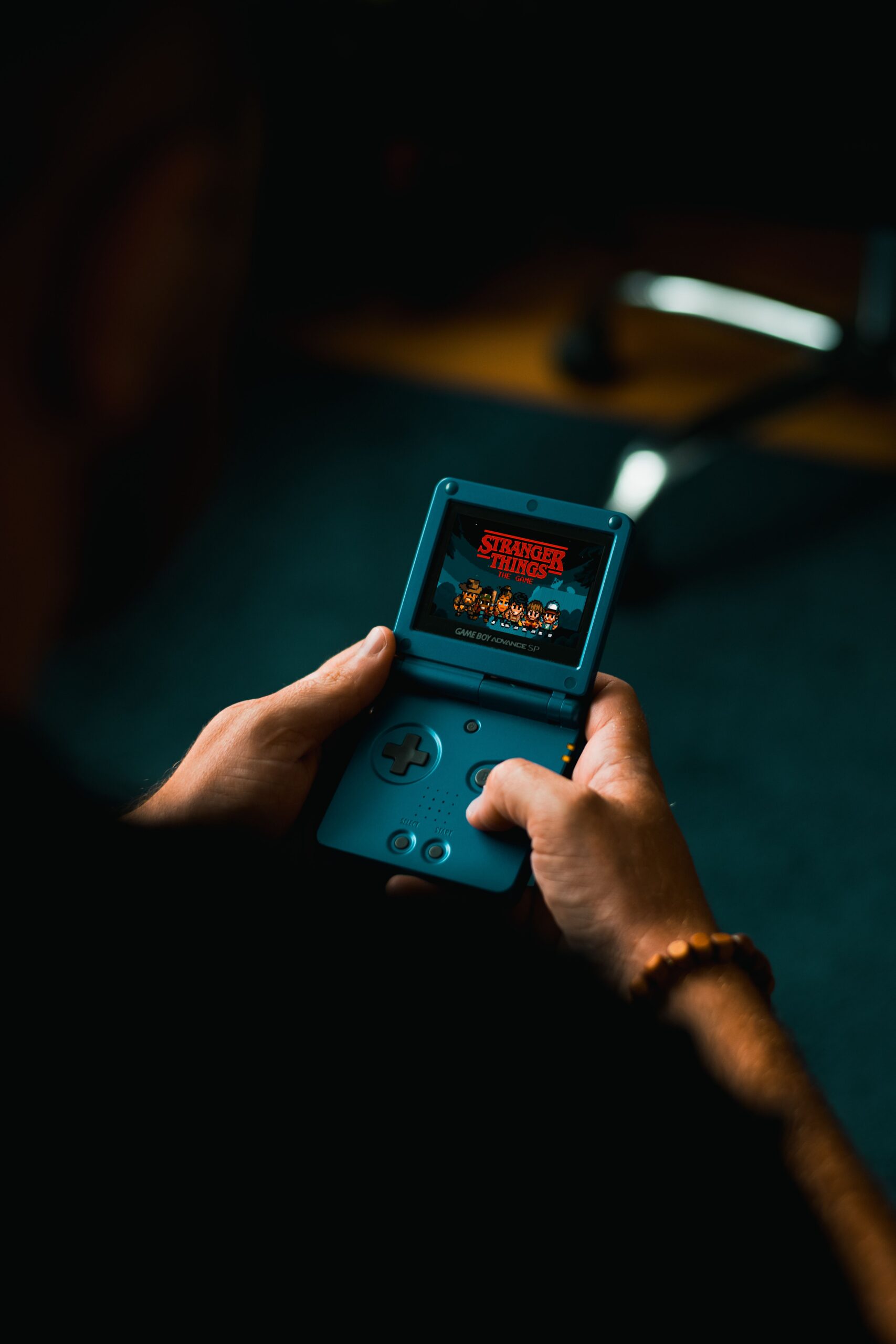
Emulation has entered a golden age. With modern PC hardware capable of rendering classic consoles at 4K resolutions with enhanced frame rates, the barrier between retro gaming and modern fidelity has never been thinner. Whether you are revisiting childhood favorites or discovering legendary libraries for the first time, the right emulator is critical. This guide examines the ten most polished, accurate, and feature-rich emulators available for PC in 2026, ranked for performance, compatibility, and user experience.
1. RPCS3 (PlayStation 3)
RPCS3 remains the premier solution for PlayStation 3 emulation. In 2026, the emulator has achieved near-flawless compatibility with over 3,000 titles. The key advancement is the LLVM (Low-Level Virtual Machine) recompiler, which translates PS3’s notoriously complex Cell processor architecture into efficient x86 code. This allows modern CPUs like the Intel i7-13700K or AMD Ryzen 7 7800X3D to run demanding titles such as Red Dead Redemption and Metal Gear Solid 4 at stable 60 FPS. RPCS3 supports upscaling to 8K resolution, anisotropic filtering, and custom shader caching that eliminates stuttering on subsequent playthroughs. The emulator also implements Vulkan and OpenGL backends, though Vulkan is strongly recommended for lower latency. For multiplayer enthusiasts, RPCS3 supports RPCN, a decentralized network that replicates PSN functionality for online play in titles like Demon’s Souls. The emulator is actively updated weekly, with a dedicated focus on fixing graphical glitches in first-party exclusives.
2. Dolphin (GameCube / Wii)
Dolphin has long been the gold standard for emulation quality, and 2026 sees it more refined than ever. Supporting both GameCube and Wii titles, Dolphin excels in accuracy and performance tuning. The emulator now leverages Vulkan hybrid mode, which reduces CPU overhead by offloading texture decoding to the GPU. This is crucial for demanding Wii games like Xenoblade Chronicles or The Last Story. Dolphin’s unique feature set includes real-time memory editing for cheat codes, netplay with rollback netcode that rivals modern fighting games, and widescreen hacks for titles never intended for 16:9 displays. The “Ubershaders” system continues to be a standout, eliminating graphical artifacts during shader compilation. For controller input, Dolphin supports native GameCube adapter passthrough, Steam Input, and custom mapping for DualSense controllers, including adaptive trigger integration via third-party scripts. The emulator maintains an extensive compatibility database, with 98% of tested titles achieving “Perfect” status.
3. PCSX2 (PlayStation 2)
After a massive overhaul in 2026, PCSX2 version 2.0 has matured into a truly modern emulator. The transition from DirectX 11 to a Vulkan-native renderer has dramatically reduced system requirements. The most notable improvement is the automatic game fix database; PCSX2 now applies per-game hardware renderer adjustments without user intervention, fixing broken textures in Shadow of the Colossus and Jak and Daxter instantly. The emulator supports fully scalable internal resolution up to 6x native, coupled with texture replacement packs that allow community-created HD assets to be injected seamlessly. PCSX2 also introduces a new MTVU (Multi-Threaded Vector Unit) system that leverages multi-core CPUs more effectively, reducing frame-time spikes in heavy titles. Audio emulation has been upgraded with the SPU2-X plugin, offering minimal latency and zero crackling even under high DSP loads. Compatibility stands at roughly 96% of the PS2 library, with ongoing fixes for the handful of titles requiring software rendering.
4. Yuzu / Citra (Nintendo Switch & 3DS)
While Yuzu faced significant attention due to the Legend of Zelda: Tears of the Kingdom launch, its 2026 iteration is more stable and legally compliant for users who dump their own game files. Yuzu’s key strengths are its parallel GPU thread processing and asynchronous shader compilation. This allows Super Mario Odyssey and Metroid Dread to run at full speed on mid-range hardware like the RTX 3060 or RX 6700 XT. Yuzu also supports docked and handheld mode emulation separately, allowing users to force 4K resolution in docked mode regardless of the original game’s limitations. Citra, the 3DS emulator, remains the definitive choice for Nintendo’s dual-screen handheld. The 2026 update adds stereoscopic 3D rendering without the need for a 3D monitor, simulating the parallax effect via depth scaling. Citra also has a robust networking stack for local wireless emulation, allowing multiplayer in Pokémon Ultra Sun and Monster Hunter 4 Ultimate.
5. MAME (Arcade)
MAME (Multiple Arcade Machine Emulator) is not just an emulator; it is a preservation project. In 2026, MAME 0.267 supports over 40,000 unique ROM sets, including obscure hardware like the Sega System 32 and Namco System 11. The emulator’s UI has been modernized with a built-in ROM audit tool that verifies hash values and identifies missing CHD (Compressed Hard Disk) files. MAME now uses a dynamic recompiler for high-end arcade boards, reducing CPU usage for games like Mortal Kombat II and Street Fighter Alpha 3. For CRT purists, MAME offers highly accurate scanline simulation, aperture grille effects, and curvature distortion that mimics the look of a Sony PVM monitor. The emulator is also the gold standard for input lag reduction, offering low-latency frame delay settings that can bring input response down to less than one frame of delay when paired with a 144Hz monitor.
6. PPSSPP (PlayStation Portable)
PPSSPP remains the fastest and most lightweight emulator in this list, capable of running on integrated graphics from a decade ago. The 2026 version introduces Vulkan renderer refinements that eliminate ghosting in God of War: Chains of Olympus and fix texture flickering in Crisis Core: Final Fantasy VII. PPSSPP’s standout feature is its “Post-Processing Shader” system, which allows users to apply FXAA, SMAA, or even RTX-inspired bloom filters via custom shaders. The emulator also supports up to 10x native resolution, making PSP games look crisp on 4K displays without aliasing. For audio, PPSSPP has perfected the SonicStage audio codec emulation, ensuring that LocoRoco and Patapon have perfect rhythmic timing. The emulator also supports texture upscaling via AI, using ESRGAN neural networks to upscale in-game textures in real-time, dramatically improving visual clarity in low-resolution assets.
7. xemu (Original Xbox)
xemu has become the definitive Original Xbox emulator, surpassing its predecessor Cxbx-Reloaded in compatibility and performance. In 2026, xemu boots over 500 commercial titles, including heavy hitters like Halo: Combat Evolved and Fable. The emulator’s GPU emulation has been rewritten to handle the Xbox’s unique Nvidia NV2A chip, fixing the notorious black-screen issues in Star Wars: Knights of the Old Republic. xemu supports dynamic upscaling to 4K, forced widescreen patches, and BIOS-free booting for users who dump their own system files. Input mapping is comprehensive, supporting all modern controllers and even original Xbox controller adapters via USB. The emulator also includes a built-in memory unit manager for transferring saves between virtual memory cards.
8. Flycast (Dreamcast / Naomi / Atomiswave)
Flycast is the successor to Reicast and the best option for Sega Dreamcast emulation. The 2026 release focuses on netplay stability, allowing players to engage in Power Stone 2 and Marvel vs. Capcom 2 online with reliable rollback netcode. Flycast also handles the Dreamcast’s Windows CE-based games (like Resident Evil: Code Veronica) more accurately than its predecessor, reducing crashes. For arcade enthusiasts, Flycast also emulates Sega Naomi and Atomiswave hardware, offering compatibility with Virtua Fighter 4 and The King of Fighters XI. The emulator supports widescreen hacks via a built-in patcher and has optional “Native Resolution” mode for ultra-crisp 2D sprites. Flycast is also exceptionally lightweight, running well on low-power devices like the Steam Deck.
9. Cemu (Wii U)
Cemu, once a Windows-only emulator, now offers a mature Linux build and has achieved nearly 100% compatibility with the Wii U library. The 2026 version introduces a new “Async Compile” shader system that eliminates stuttering in Breath of the Wild and Bayonetta 2 entirely after the first shader cache is built. Cemu’s graphics packs are community-curated and allow granular control over shadow resolution, ambient occlusion, and draw distance—features that sometimes exceed the capabilities of the original console. The emulator also emulates the Wii U GamePad as a secondary display or as a touchscreen overlay, depending on user preference. Cemu supports gamepad-style controls for both the GamePad and the Pro Controller, with full analog trigger support for racing games like Mario Kart 8.
10. Ryujinx (Nintendo Switch)
While Yuzu is faster, Ryujinx is more accurate. Ryujinx is the logical choice for users with high-end CPUs who prioritize graphical fidelity over raw frame rate. The emulator uses a unique “PPTC” (Parallel Portable Translation Cache) that precompiles shaders, resulting in zero stuttering during gameplay. Ryujinx also features a built-in resolution scaler that can render games like The Legend of Zelda: Link’s Awakening at 8K without breaking the game’s physics engine—a problem Yuzu sometimes encounters. The emulator has robust audio support, emulating the Switch’s ADSP audio chip with sample-accurate precision. Ryujinx also includes a “Multiplayer” mode that emulates local wireless play over the internet, allowing seamless co-op in Animal Crossing: New Horizons or Super Smash Bros. Ultimate. The emulator’s development cycle is more conservative, releasing stable builds monthly with thorough regression testing.